
A Unique Encounter with Nature's Marvels
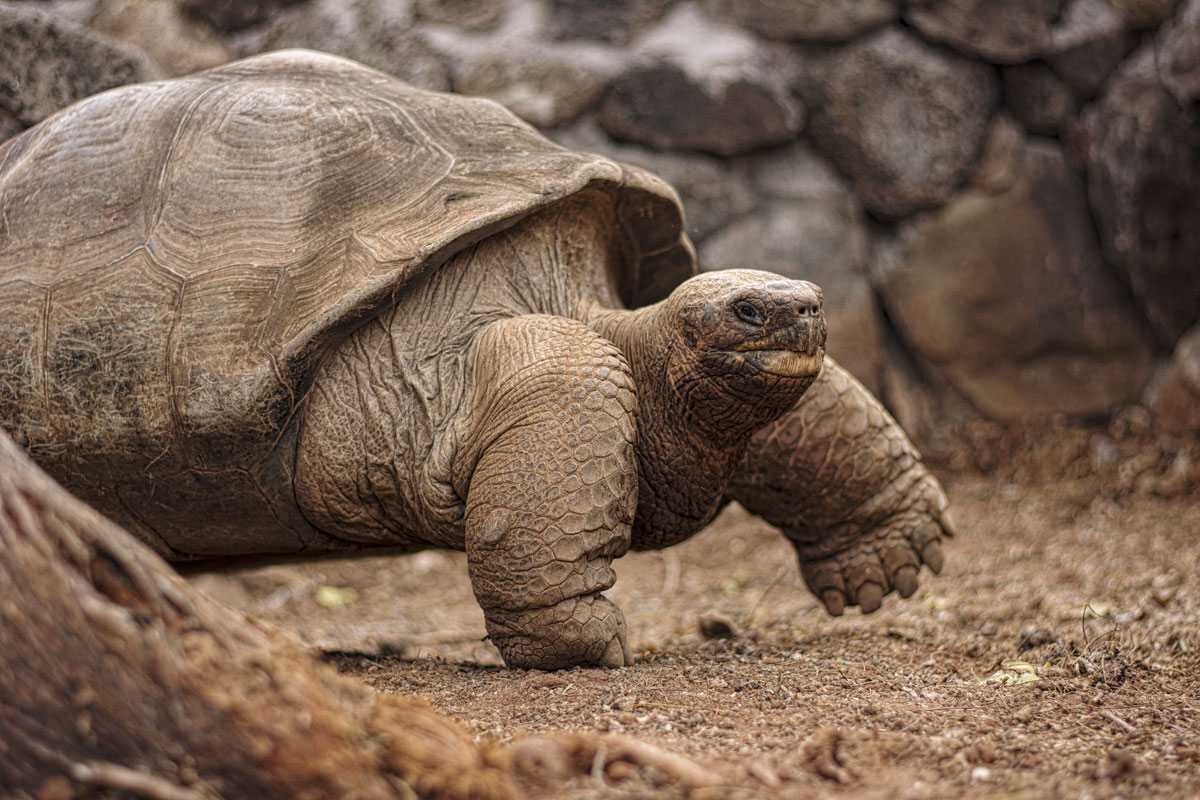
Imagine strolling alongside the ancient giants of the Galápagos—the majestic tortoises, from which the archipelago draws its name. As they lumber through the lush highlands of Santa Cruz, their leisurely pace invites you to slow down and savor life’s simpler moments. It’s a delightful opportunity to unwind and marvel at their unhurried existence, offering a charming contrast to our often rushed modern lives.
The islands, named after these iconic creatures (the old Spanish word «galápago» means tortoise), are the best places to observe these gentle giants in their natural settings. Particularly in Santa Cruz, the Charles Darwin Research Station serves as the hub of conservation efforts. Here, amid the quietude of nature, the tortoises roam freely, exuding an air of timelessness. Historically, pirates and whalers heavily exploited these tortoises, which led them near extinction. Today, rigorous conservation initiatives ensure their survival, allowing visitors to connect with the ancient past of the Galápagos and appreciate the ongoing efforts to preserve this unique ecosystem for future generations.


But the giant tortoises are just the beginning of what the Galápagos has to offer. Prepare for the spectacle of marine iguanas, the archipelago’s very own ‘mini-dinosaurs.’ Sporting a stark, lava-like black coloration, these iguanas are perfectly camouflaged against the archipelago’s volcanic rocks, offering protection from aerial predators like frigate birds. Observing these creatures as they bask on the sunlit, white sandy beaches provides a stunning visual contrast and a photographer’s delight. Their ability to spend up to 30 minutes underwater, diving as deep as 20 meters to graze on algae, showcases a remarkable evolutionary adaptation, symbolizing both survival and the thriving life in this harsh environment.

Further enhancing the islands’ allure are the quirky flightless cormorants of Fernandina or Isabela. These birds, having evolved to swap flight for exceptional swimming skills, present a striking example of evolutionary trade-offs. Their clumsy land antics paired with their sleek aquatic moves offer a humorous yet intriguing glimpse into nature’s adaptive strategies. Observing these birds is like watching a creature from another world, providing not only a lesson in evolution but also highlighting the diverse survival strategies that life can manifest.
Adding to the avian wonders, breakfast with Darwin’s finches offers an interaction akin to dining with celebrities famed for their evolutionary significance. Nearby, the flamboyant courtship display of the blue-footed boobies adds vibrancy to the islands, with males performing a high-stepping dance to attract females. This, coupled with their spectacular plunge-diving for fish, captures the essence of survival and grace in the wild.
The Galápagos is not just a destination but a living showcase of evolution in action, featuring other remarkable avian species like the magnificent frigatebird, the Galápagos penguin, the waved albatross, the endemic Galápagos hawk, and the charming Galápagos dove. Each species contributes to the rich tapestry of life that makes the Galápagos a paradisiacal haven for bird enthusiasts and nature lovers alike, offering endless inspiration and a transformative experience that reshapes how we view the natural world.