
Historical Cities in the Ecuadorian Andes
The Andean region of Ecuador is steeped in history, beautifully preserved in several cities that are not only gateways to the past but living museums of colonial architecture and vibrant cultural traditions. These cities, including Quito, Cuenca, Riobamba, and Ibarra, offer a fascinating glimpse into the region’s rich heritage.
Quito, the capital city, is renowned for its remarkably preserved historic center, designated as a UNESCO World Heritage Site. Here, you can stroll along narrow streets lined with impressive colonial buildings and explore significant landmarks such as the Carondelet Palace and the Church of San Francisco. Quito’s annual festivals bring the city to life, with celebrations featuring bullfights, concerts, and fireworks that illuminate the cityscape.
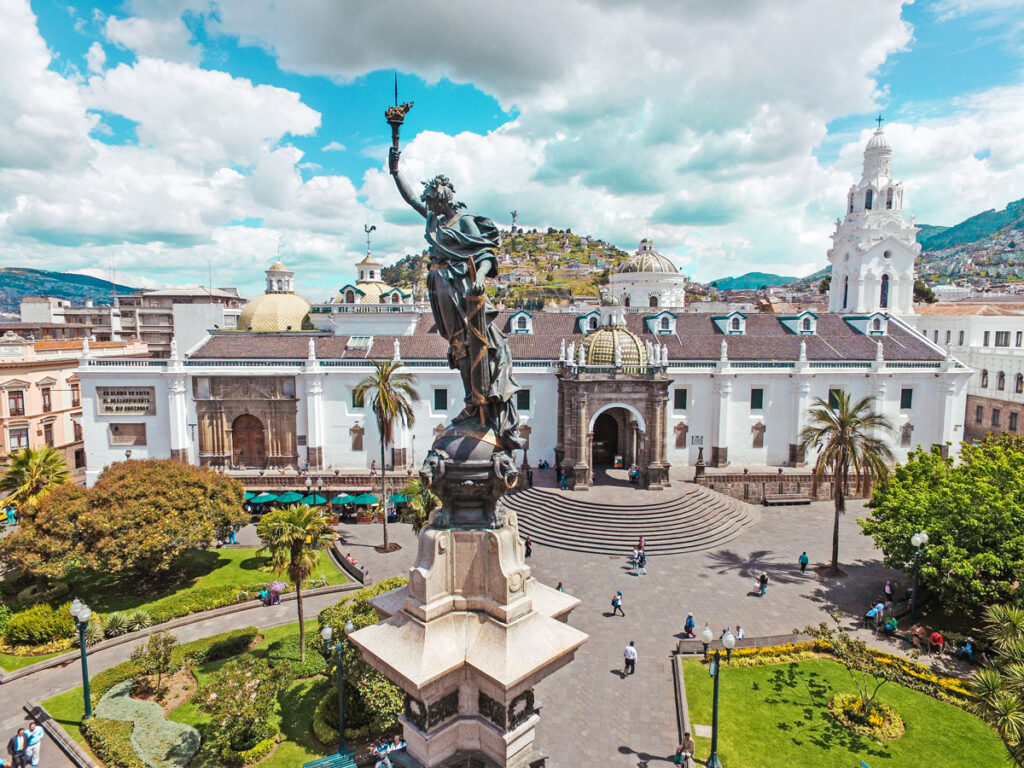
Cuenca is another UNESCO World Heritage Site known for its stunning colonial architecture and cultural vibrancy. The city is crisscrossed by four rivers, providing picturesque scenery and a backdrop for its many historical buildings, including the famous New Cathedral with its striking blue domes. Cuenca is also celebrated for its contributions to the Ecuadorian arts and is often referred to as the «Athens of Ecuador.»
Moving north, Ibarra offers a different flavor of history, known as the ‘White City’ due to its whitewashed colonial buildings. It’s a city where history meets everyday life amidst cobblestone streets and red-tiled roofs. The city is also a starting point for the scenic train journey to the coastal town of San Lorenzo, offering views of the stunning Andean landscape along the way.
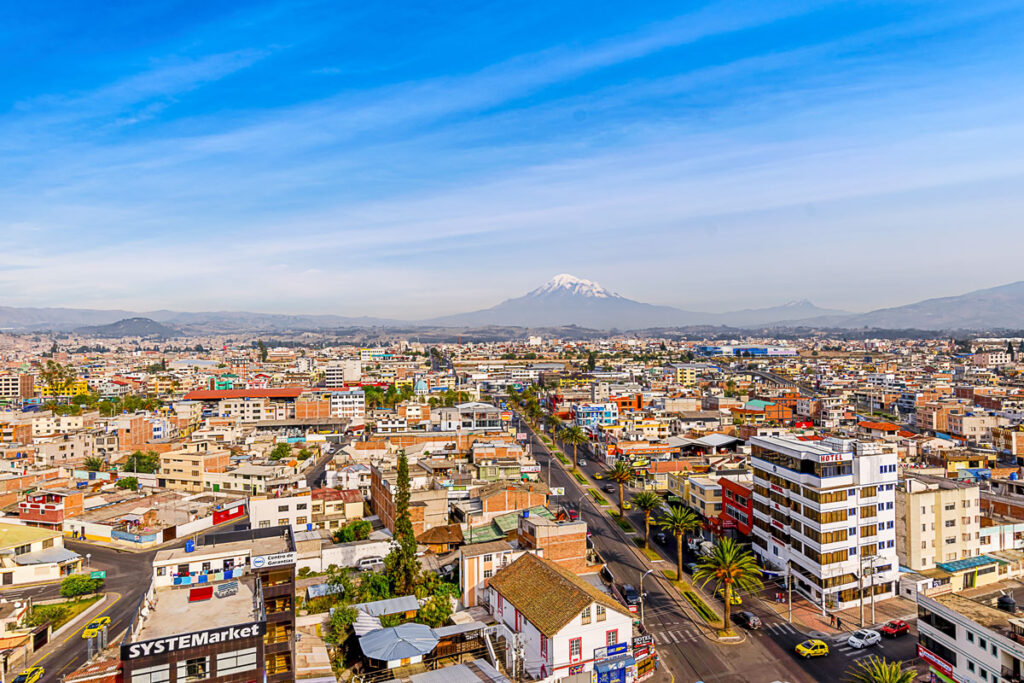
Riobamba, formerly the capital of Ecuador, is another city with deep historical roots. Located near the Chimborazo volcano, the highest in Ecuador, Riobamba is known for its beautiful churches and rich collection of religious art housed in places like the Convento de la Concepción. The city also serves as a gateway to exploring the Avenue of the Volcanoes.
These cities are not just historic landmarks but vibrant centers of life where the past and present merge seamlessly, offering visitors a rich tapestry of sights, sounds, and stories. Each city’s unique atmosphere is a testament to the Andean spirit and provides an immersive experience into the cultural and historical wealth of Ecuador.