
Cultural Heritage Sites.
Ecuador’s «Pueblos Mágicos» and UNESCO-designated World Heritage Sites embody the rich cultural heritage of the Andean region, offering a tapestry of historical, architectural, and cultural wealth that attracts visitors from around the world. These sites are not just tourist destinations but are vital in preserving the historical and cultural narratives of Ecuador.
In the heart of the Andes, towns like Alausí and Cotacachi exemplify the program’s goals by preserving traditional arts and crafts while showcasing breathtaking natural surroundings. Alausí is particularly known for its proximity to the thrilling Nariz del Diablo train ride, which offers spectacular views of the Andean mountains. Cotacachi is celebrated for its fine leather goods and serene environment, close to the ecological reserves that highlight the country’s biodiversity.
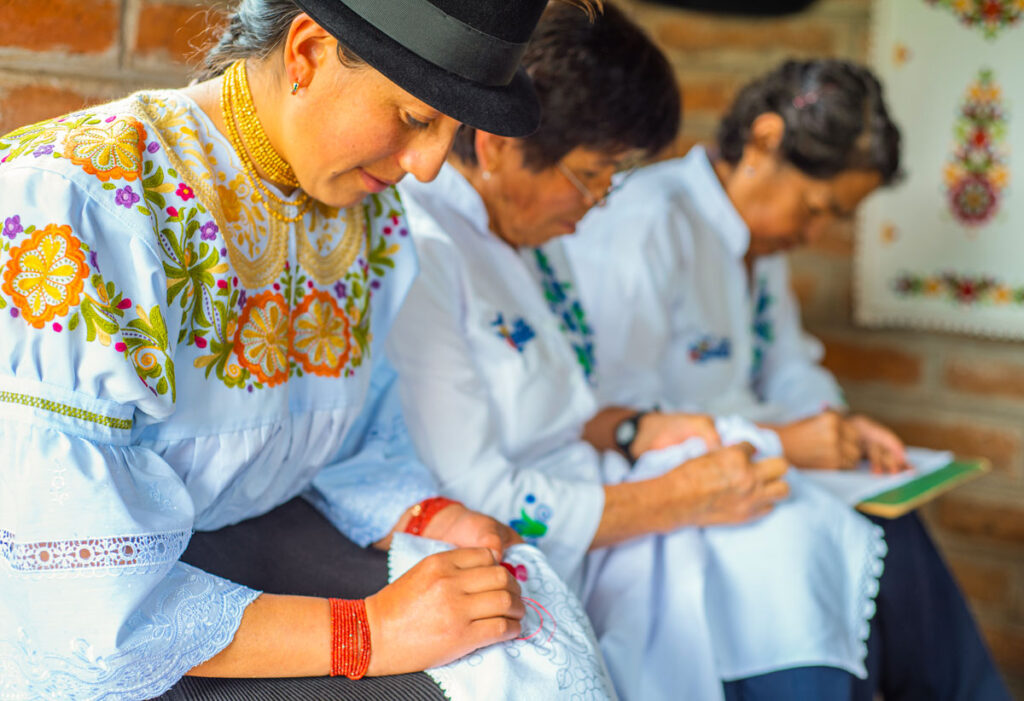
Guano, another magical town, is dubbed the «craft capital» of Ecuador due to its renowned artisan carpets, which are known for their intricate designs and high knot density, making them some of the finest globally. The town’s setting is picturesque, surrounded by volcanic landscapes and rich in historical sites like the Museo de la Ciudad, where you can explore local history, including the famed Guano mummy.
In the southern region, Chordeleg is distinguished by its artisanal jewelry and pottery, reflecting the town’s long-standing tradition of craftsmanship. Visitors can explore local markets that brim with handcrafted goods, providing a tangible connection to the area’s rich artisanal heritage.
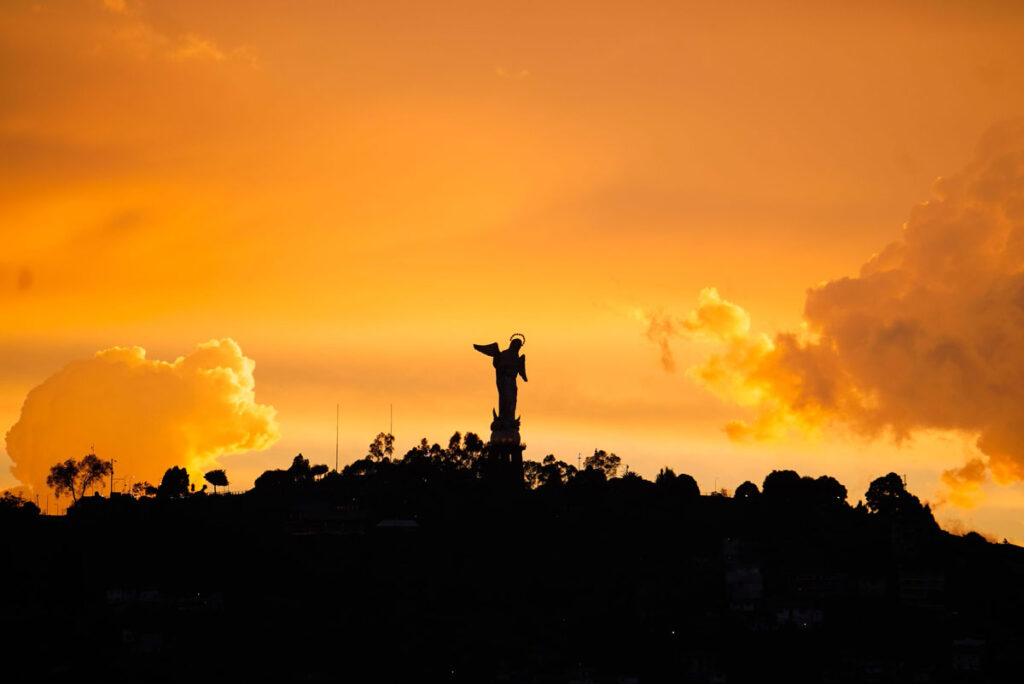
UNESCO World Heritage Sites like the Historic Centre of Quito and the City of Cuenca further enrich this cultural journey. Quito’s well-preserved historic center features a mix of indigenous and Spanish colonial architectures, such as the Carondelet Palace and the Church of San Francisco, offering a window into the colonial era’s architectural and cultural fusion. Cuenca’s historical significance is highlighted by its colonial churches and vibrant cultural scene, making it a hub for history enthusiasts and cultural tourists alike.
Additionally, the Qhapaq Ñan, an ancient Inca road network recognized by UNESCO, exemplifies Andean engineering and community organization. This extensive network was pivotal in connecting various cultural and administrative centers across the Inca Empire, showcasing the advanced societal and architectural prowess of the Andean peoples.
Together, these sites offer a profound insight into the Andean way of life, past and present. They not only preserve architectural and historical integrity but also promote sustainable tourism and cultural education. For anyone looking to delve into Ecuador’s rich heritage, these destinations provide a comprehensive and enriching experience, reflecting the country’s diverse history and vibrant cultural mosaic.